Disclosure: As an Amazon Associate, we earn from qualifying purchases made through links on this page.
Prices come from Amazon and were right at the time shown. They can change; the price on Amazon at checkout is the one you pay.
The timing makes sense. Pea protein still runs the plant-protein nightclub, soy is useful but polarizing, rice protein does its quiet little job, and everyone is suddenly asking for cleaner labels, smoother digestion, and fewer tubs that taste like a lawnmower cried into a blender. A 2026 vegan protein powder market report names pumpkin seed, fava bean, chickpea, sunflower seed, and upcycled plant ingredients as emerging sources expanding formulation options. Translation: the pea monopoly is getting heckled.
Short version: pumpkin seed protein is legit as part of a smart vegan blend. It brings minerals, a nutty flavor, and useful amino acids. It is not a magic gourd sent from heaven to replace every other protein source. Calm down, Cinderella.
What Pumpkin Seed Protein Actually Is
Pumpkin seed protein powder is usually made from defatted pumpkin seed meal, the leftover press cake after oil extraction. Glamorous? No. Useful? Very. Food manufacturing is full of these redemption arcs. One minute you are an oil byproduct. Next minute you are in a $45 tub promising glutes and inner peace.
Depending on processing, you will see pumpkin seed flour, concentrate, or isolate. Flour tends to keep more fat, fiber, and minerals. Isolate is more protein-dense and less whole-food romantic. For muscle-building shakes, protein density matters. You want a serving that lands around 20 grams or more, not a tablespoon of green powder whispering affirmations at your biceps.
The Amino Acid Reality Check
The good news: pumpkin seed protein has real amino acid value. A 2025 RSC Food & Function study reported balanced amino acid composition in pumpkin seed protein isolates, with leucine showing up respectably. Leucine matters because it is one of the main switches for muscle protein synthesis. Think of it as the nightclub bouncer letting gains through the rope.
The less sexy news: lysine can be the weak link. An older nutrient analysis archived by the CDC found pumpkin seed protein had a lysine score of 65% against the FAO/WHO reference pattern. That does not make pumpkin seed protein trash. It means the grown-up move is blending. Pair it with pea, soy, rice, or another complementary protein and suddenly the amino acid math stops wearing clown shoes.
This is why pumpkin seed protein often appears in formulas instead of standing alone in the middle of the stage yelling, "Look at me." It works best as the talented supporting actor. Pea plus pumpkin. Rice plus pumpkin. Multi-seed blends. Good ensemble. Fewer nutritional plot holes.
Does It Build Muscle?
It can help, if the total formula is strong and your training is not decorative. The International Society of Sports Nutrition puts most exercising people around 1.4 to 2.0 grams of protein per kilogram of body weight per day, with 20 to 40 grams per serving as a practical dose. That is the boring truth. Not label poetry. Not influencer dust. Protein grams, amino acids, training, sleep, repeat.
So if your pumpkin seed powder gives you 15 grams and tastes like roasted nuts had a baby with matcha, great. Use it in oats, smoothies, or baking. If you are trying to grow serious muscle, make sure the full day still hits the target. Pumpkin seed protein is a tool. It is not going to squat for you.
Where Pumpkin Seed Protein Wins
- No soy drama: Great for people avoiding soy without wanting every shake to be 100% pea.
- Nutty flavor: Better in chocolate, coffee, banana, cinnamon, oats, pancakes, and anything that can handle a roasted edge.
- Mineral bonus: Pumpkin seeds naturally bring magnesium, zinc, iron, and other useful minerals, though amounts vary hard by product and processing.
- Cleaner-label energy: Seed proteins feel less laboratory-coded than mystery blends with names like UltraBeast Matrix 9000.
Where it loses: ultra-lean protein density, neutral flavor, and standalone amino acid perfection. If you want the simplest protein brick in town, Naked Pea is still sitting there with one ingredient and the emotional range of a garage dumbbell. Effective. Not charming. Sometimes that is the job.
Best Minimalist Pumpkin-Blend Pick: Truvani
Truvani Plant-Based Protein is the short-list move: the Vanilla we link has five ingredients (pea protein, vanilla, pumpkin seed protein, monk fruit and chia seed protein), so it does not read like a chemistry subpoena. Twenty grams of protein per scoop, with monk fruit as the only sweetener.
Use it if you want pumpkin seed in the blend without buying a tub of green austerity powder and pretending suffering is a personality trait. Two caveats: the label carries a California Prop 65 lead warning, and its heavy-metal testing is the brand’s own claim, with no independent certification. Amazon showed no price when we last checked.
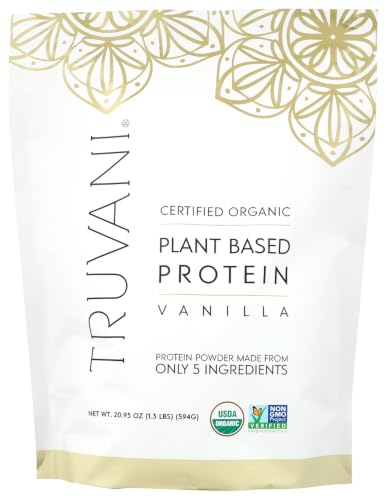 Truvani Plant-Based Protein as of Nov 3, 10:38 PM ETCheck Price on Amazon →
Best High-Protein Hammer: Vega Protein + Recovery
Vega Protein + Recovery brings thirty grams per scoop from pea, pumpkin seed and sunflower seed protein, and it’s NSF Certified for Sport. This is not the dainty wellness spoon. This is post-workout construction material with a green label.
Pick it when training is serious, recovery matters, and your shaker needs to do more than taste like a farmer's market had opinions.
 Vega Protein + Recovery$44.99 as of Nov 3, 10:38 PM ETCheck Price on Amazon →
Best Dessert-Friendly Blend: KOS
KOS Organic Plant Protein is not here to lecture you. It is here to taste good. Pumpkin seed protein shares the tub with pea, flax, quinoa and chia (20 grams of protein per two-scoop serving), the texture is forgiving in a blender, and the Chocolate Peanut Butter flavor tastes like someone robbed a bakery and paid the getaway driver in macros.
If pumpkin seed protein sounds interesting but you still want your shake to feel like a treat, this is the civilized route.
 KOS Organic Plant Protein$54.99 as of Nov 3, 10:38 PM ETCheck Price on Amazon →
How To Use It Without Ruining Breakfast
Pumpkin seed protein likes bold flavors. Chocolate. Coffee. Banana. Cinnamon. Peanut butter. Maple. Oats. It does not love plain water unless you enjoy drinking something that tastes like trail mix lost a custody battle.
Start with a blend if you are new. If you buy straight pumpkin seed protein, treat it like an ingredient, not a finished shake. Mix it into pancakes, protein brownies, overnight oats, or smoothies with soy milk and cocoa. Keep the serving honest. If your recipe only adds six grams of protein, congratulations, you made a snack with delusions.
The Bottom Line
Pumpkin seed protein powder is one of the better 2026 vegan protein trends because it solves real formulation problems: flavor variety, soy avoidance, mineral density, and smarter amino acid blending. It is not perfect. Lysine can lag. Protein density varies. Some tubs taste like someone composted a granola bar.
But in the right blend, it earns the scoop. Go Truvani for the short-label pumpkin blend. Go Vega Protein + Recovery when thirty grams of muscle glue needs to clock in. Go KOS when taste matters and you refuse to drink penance.
Pumpkin seed protein is not the king. It is the knife guy in the kitchen who actually knows what he is doing. Quiet. Green. Useful. Do not underestimate him.